"Backpacking Like... Totally, Changed my Life"
- Katherine Jetleb
- Apr 14
- 5 min read

Last year for Halloween I went as a backpacker, dressed in flowy linen elephant pants, hiking shoes, a bar-crawl t-shirt from Thailand, and some cheap sunglasses, complete with blush caked on to resemble a sunburn, my big Osprey backpack, and of course, a sign saying "Backpacking like... totally changed my life".
From an early age, I had a heightened sense of awareness of how fortunate I was. My parents reminded us of it often, but I also saw it in my own neighbourhood. I grew up in a highly diverse area of Scarborough, Toronto, with many immigrant, refugee, and asylum-seeking families. It was common to have several classmates who spoke little or no English, and even as a child, I could recognize the poverty some families had to deal with. We were by no means wealthy - we were lower-middle class, living in a small two-bedroom bungalow and never leaving Southern Ontario. Yet, I felt as rich as could be when standing next to some of my classmates.
Like everything in this society, Western backpackers have a stereotype. A major one being that we often describe our travels as "life changing" (said with a Valley Girl accent). After spending a collective 5 months backpacking across both Europe and Asia, I think these stereotypes are funny and relatable, but also sometimes twisted out of proportion.

Chasing the Bigger, Broader World
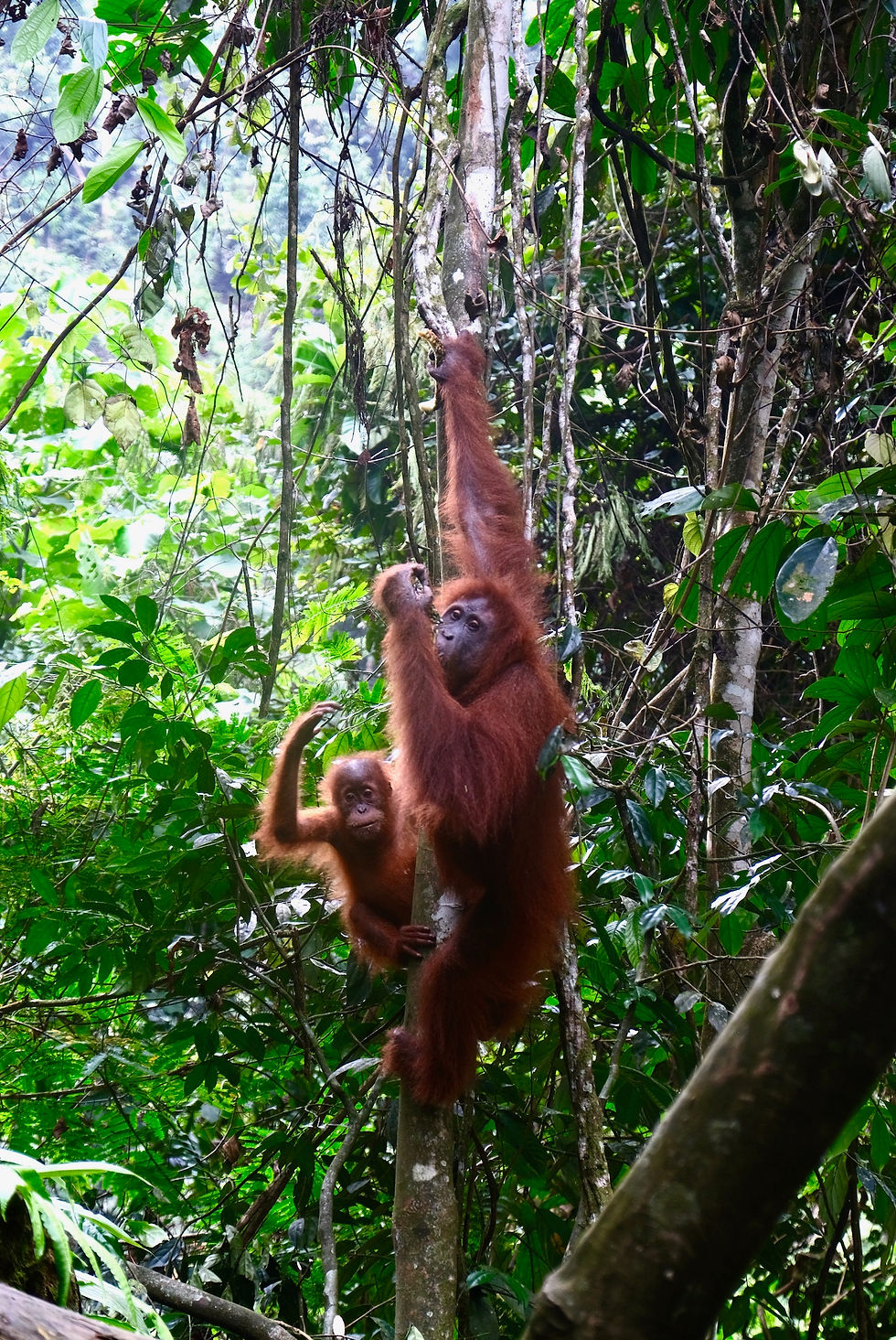
Now, (said without a Valley Girl accent), I am not afraid to admit that travel really did change my life. 5 years ago, I had never left Canada/the U.S. Now, at age 25, I have visited 27 nations across 4 continents. I have ridden a camel across the Sahara desert, drank tea with a nomadic family on the border of Morocco and Algeria, studied at the National University of Singapore for a semester, observed a Hindu prayer in Kuala Lumpur (KL), toured the inside of Buckingham Palace, rode a motorbike for 4-days throughout remote Vietnam, learned to surf in the Philippines, visited Angkor Wat, and even woke up to wild orangutans swinging over my campsite on a 4-day jungle trek in Sumatra, Indonesia.
At the Same Time, it’s not all Butterflies and Rainbows
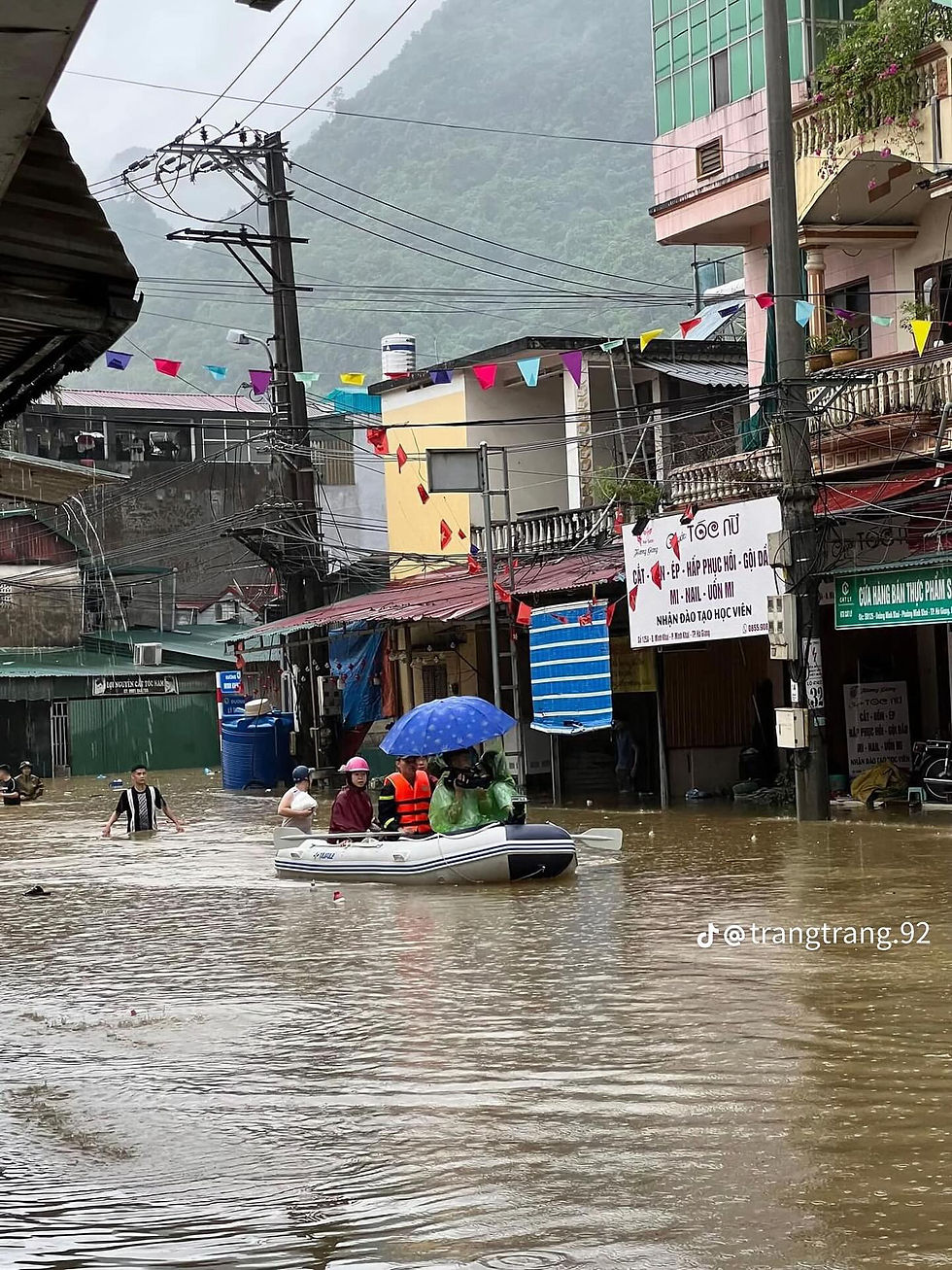
Before I observed the Hindu prayer in KL, I was harassed and stalked by an old man at my hotel. During my Vietnam motorbike journey, we got caught in severe flooding, and worst of all, while in the Philippines, I spent 5 days hospitalized with severe sepsis.
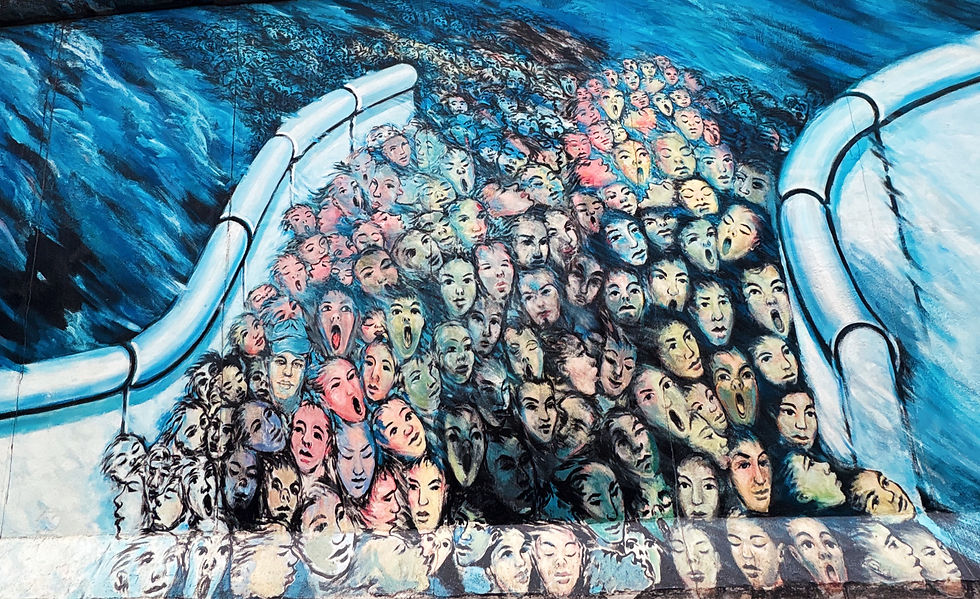
However, one thing stands out as being the most challenging to cope with after traveling: The shock I felt when I realized just how privileged and fortunate I truly am. I have always been taught to be grateful, but seeing firsthand how atrocities we hear about have shaped entire societies and cultures, and recognizing the challenges people face that I can’t even begin to fully comprehend, has been eye-opening. I visited the DMZ between South and North Korea, Auschwitz Concentration Camp, Cambodia's "Killing Fields" and "Killing Tree" (as I wrote that, I genuinely got shivers done my body even thinking of it), Vietnam's Cu Chi war tunnels, and the NATO bombing sites in Serbia. I spent time getting to know locals in rural Laos, toured the Berlin Wall and German bunkers, and got stuck in severe flooding in Northern Vietnam where sadly, 3 locals lost their lives.
I often find myself questioning why I was given this life and these opportunities, when there are billions of other girls and women... just as capable, and often far more driven - who may never have access to the same chances. While I worry daily about if I get an A+ on that assignment, if I'll have enough time to go to the grocery store after work to get my favourite treat, and if I have enough money saved up to take that next trip I've been thinking about... people across the world are worrying about if they have enough food to eat, if their family is safe, and whether they'll ever be able to go to school.
Why is this my life, and that's their's?
A Self-Imposed Responsibility
When it came time to apply for university, I decided to only apply to out-of-province schools.
As soon as I had the chance, I was determined to break out of my Southern Ontario, city-centred lens and open my life to new opportunities, perspectives, and experiences. I wanted to see my own country and understand the many different ways people live within it.
In my third year, I went on exchange at the National University of Singapore - my first time leaving Canada or the U.S. Singapore gave me the travel bug, and before I knew it, I was backpacking across Southeast Asia and Europe.
I feel I have a calling to make the world better. Global tourism has changed my life dreams - I want to dedicate my career to improving access and opportunities for those in need across all corners of the world. As globalization increases and travel becomes more accessible for some, I believe it is important to remember that seeing the world should not only broaden our horizons and give us a fun, enriching experience, but also deepen our empathy, gratitude, and responsibility to others and our natural environment.
Conclusion
Next time you participate in global tourism, I urge you to look beyond the classic landmarks and photo opportunities. Actively try to learn the history of the place you are visiting, support the local communities, travel respectfully and responsibly, and remain aware that your experience as a visitor is only a small glimpse into the everyday realities of the people who call that place home.
While you may be able to fly home and tuck yourself into a warm, cozy bed with a delicious dinner waiting for you, please remember that some of the people you interacted with may not have those same comforts. During the flooding in Laos, I remember feeling a rush of guilt. My group spent the day safe in a large, comfortable homestay with warm meals, clean water, showers, and beds. Our biggest concern was whether our travel plans would be delayed by an extra day. Our lives were never at risk. Yet for many locals, the flooding was far more than an inconvenience. It took lives, destroyed homes, and caused widespread panic and mourning across an already highly-impoverished region.
I felt a similar discomfort when I was hospitalized with sepsis in the Philippines. I was quickly admitted to one of the best private hospitals in Cebu City, where my room had a large television, a private guest bathroom, and constant attentive care. Before that, I had briefly entered a public hospital that turned me away due to a lack of beds. It looked nothing like the standard of care I was used to in Canada. Beds were lined side by side with no curtains for privacy, and families were crying and pleading with doctors everywhere around me. Sepsis carries a high fatality rate, yet I was not afraid for my life. I was upset that a week of my trip was “wasted” in a hospital bed. Looking back, that thought unsettles me. It reveals just how easy it can be to overlook privilege when privilege is all you have ever known.
Let travel inspire not only memories, but humility, compassion, and a desire to leave the world better than you found it.

Comments